por
por Accounting is not just a tax obligation—it is the financial heart of every business. It connects decisions, operations, and results. Yet for many companies, especially those growing quickly, accounting becomes a minefield of costly mistakes: duplicated data, missing invoices, delayed closing periods, outdated reports, and poor financial visibility.
I have seen this happen often. The issue is rarely a lack of accounting knowledge. Most problems come from manual processes, disconnected systems, and an overdependence on spreadsheets.
This is exactly where an ERP (Enterprise Resource Planning) system makes a difference.
An ERP does much more than organize accounting data. It helps prevent errors before they happen, automates repetitive tasks, and creates a single source of truth across the business.
In this article, we will break down the 10 most common accounting mistakes businesses face and explain how a modern ERP solution—like those offered by Oasicom—can help eliminate them, improve financial control, and support smarter strategic decisions.
Why ERP Is Essential for Business Accounting
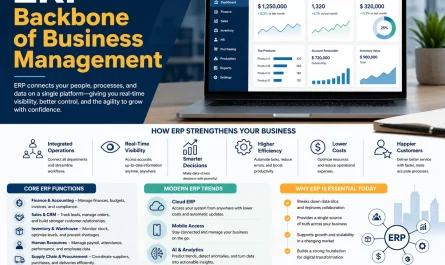
An ERP is not simply accounting software.
It is a complete business management platform that connects finance, sales, purchasing, inventory, human resources, and operations into one centralized system.
When all information flows in real time from a single database, accounting errors decrease dramatically.
Companies that still rely on isolated systems, Excel files, and manual reporting usually face the same issues:
- Inconsistent financial records
- Slow monthly closing processes
- Duplicate information
- Poor decision-making
- Lack of visibility into cash flow and expenses
An ERP transforms this chaos into structure by automating key accounting processes and ensuring data remains accurate, updated, and reliable.
Contenido Relacionado:
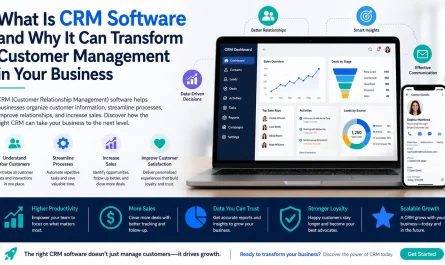
What Is CRM Software and Why It Can Transform Customer Management in Your Business
1. Duplicate Data Entry
Duplicate data is one of the most common and underestimated accounting problems.
It happens when the same information is entered multiple times across different systems or files.
For example:
- Sales registers a customer in one system
- Accounting enters the same customer again
- Billing creates another version in a separate spreadsheet
The result?
- Inconsistent reports
- Billing mistakes
- Time wasted correcting records
- Unreliable financial statements
How an ERP Solves It
With an ERP, there is only one centralized database.
Information is entered once and shared automatically across departments.
No matter who accesses the record—sales, accounting, or billing—it is always the same validated and updated information.
Duplicate data stops being a silent threat and becomes a problem of the past.
2. Duplicate or Missing Invoices
Manual invoice management creates major accounting risks.
Invoices may be:
- Issued twice
- Lost in emails
- Saved incorrectly
- Forgotten entirely
This creates operational disorder and serious tax compliance issues.
Problems Caused by Duplicate Invoices
- Incorrect customer charges
- Double payments to suppliers
- Accounting inconsistencies
- Tax authority risks
Problems Caused by Missing Invoices
- Unrecorded expenses
- Incorrect tax calculations
- Incomplete financial reporting
How an ERP Solves It
An ERP automates the entire invoicing process—from issuance to accounting registration.
Each invoice is:
- Tracked
- Stored securely
- Linked to the correct transaction
- Easy to audit
Modern ERP systems also integrate electronic invoicing, helping businesses stay compliant with tax regulations while reducing the risk of penalties.
3. Lack of Traceability
Accounting traceability means being able to follow the full path of a transaction—from its origin to its final impact on financial statements.
Without an ERP, this information often gets lost between emails, spreadsheets, and disconnected systems.
This creates difficult questions:
- Where did this expense come from?
- Why does this amount not match?
- Who made this accounting entry?
Why This Is Dangerous
Lack of traceability leads to:
- Delayed audits
- Financial distrust
- Slow decision-making
- Poor accountability
How an ERP Solves It
Every transaction in an ERP is recorded with:
- Date
- User
- Source
- Related documents
- Process history
With just a few clicks, finance teams can trace any movement and understand its full context.
Traceability becomes a strategic advantage.
4. Delayed Financial Closing
Late monthly closing is a clear sign that accounting processes are inefficient.
If your business takes weeks—or even months—to close monthly books, the real problem is usually manual work and disconnected information.
Common Causes
- Manual review of multiple spreadsheets
- Constant corrections of previous mistakes
- Missing financial data
- End-of-month operational stress
Business Impact
Delayed closing means leadership makes decisions using outdated numbers.
It is like driving while only looking in the rearview mirror.
How an ERP Solves It
An ERP automatically integrates:
- Sales
- Purchases
- Inventory
- Taxes
- Banking transactions
This means accounting records update in real time, making monthly closing faster, more accurate, and far more predictable.
Closing becomes a controlled process—not a monthly emergency.
5. Multiple Versions of Files
“How do we know which file is the correct one?”
If this question appears often, your company likely suffers from version control problems.
Using spreadsheets shared by email or saved on personal devices creates confusion and financial risk.
This Leads To
- Inconsistent reports
- Lost time comparing versions
- Audit risks
- Low trust in financial information
How an ERP Solves It
An ERP creates a single source of truth.
There are no multiple versions—only one live system with updated information and permission-based access.
Everyone works with the same numbers in real time.
This improves collaboration and strengthens trust in the data.
6. Manual Calculation Errors
Human talent is valuable—but repetitive accounting calculations are where human error becomes expensive.
A copied number, a broken formula, or a missed update in Excel can silently damage financial reports for months.
Risks of Manual Calculations
- Incorrect financial statements
- Tax errors
- Reconciliation differences
- Poor strategic decisions
How an ERP Solves It
An ERP automates calculations such as:
- Taxes
- Depreciation
- Cost analysis
- Margins
- Provisions
- Financial forecasting
Rules are configured once, and the system applies them consistently and accurately.
This dramatically reduces risk and allows accountants to focus on strategy instead of corrections.
7. Lack of Real-Time Visibility
Making business decisions without updated information is like navigating without a compass.
Many companies still work with reports showing what happened weeks ago.
That is dangerous.
This Causes
- Slow decisions
- Cash flow surprises
- Difficulty anticipating risks
- Missed growth opportunities
How an ERP Solves It
ERP dashboards provide real-time access to:
- Financial status
- Cash flow
- Accounts receivable
- Accounts payable
- Business performance indicators
Instead of reacting to problems, companies can act proactively.
Real-time visibility changes everything.
8. Manual Bank Reconciliation
Bank reconciliation is one of the most tedious accounting tasks.
Comparing bank movements with internal records manually takes time and increases the chance of mistakes.
Common Problems
- Missing transactions
- Duplicate entries
- Undetected differences
- Delayed monthly closing
How an ERP Solves It
An ERP can integrate directly with banking systems.
Transactions are imported automatically and matched against accounting records.
The system immediately flags inconsistencies, saving time and improving cash flow control.
9. Outdated Financial Information
Working with outdated information is one of the most dangerous accounting mistakes.
When reports no longer reflect the current reality of the business, decisions become unreliable.
Why It Happens
- Delayed transaction entry
- Manual processes
- Poor department integration
- Spreadsheet dependency
Business Consequences
- Poor budget control
- Weak financial planning
- Cash flow problems
- Slow executive decisions
How an ERP Solves It
An ERP records transactions the moment they happen:
- Sales
- Purchases
- Payments
- Collections
- Inventory updates
This ensures reports always reflect the true financial situation of the company.
Real-time information means faster and better decisions.
10. Tax Compliance Failures
Tax compliance problems do not always happen because of bad intentions.
Most of the time, they come from manual processes, outdated regulations, or accounting mistakes.
Risks Include
- Financial penalties
- Unexpected audits
- Legal issues
- Damage to business reputation
How an ERP Solves It
An ERP supports compliance by:
- Automating tax calculations
- Integrating electronic invoicing
- Maintaining organized audit-ready records
- Adapting to legal changes
This reduces fiscal risks and gives businesses greater peace of mind.
Why Oasicom Is the Ideal ERP Partner
Choosing the right ERP matters just as much as deciding to implement one.
At Oasicom, technology is combined with expertise and long-term support to create ERP solutions that truly fit each business.
Oasicom Offers
- Flexible and scalable ERP solutions
- Industry-specific adaptation
- Full implementation support
- Continuous technical assistance
- Long-term system evolution
It is not just about installing software.
It is about transforming how your business manages financial information, accounting processes, and strategic growth.
With Oasicom, ERP becomes a competitive advantage.
Conclusion
Accounting mistakes do not just create operational problems—they affect profitability, decision-making, and trust in financial information.
The good news is that most of these issues can be prevented.
From duplicate data to tax compliance risks, an ERP acts as a preventive system that automates processes, centralizes information, and provides real-time visibility.
For businesses that want to grow with control, efficiency, and confidence, ERP is no longer optional—it is essential.
If your company still depends on spreadsheets, disconnected systems, and manual accounting tasks, now is the time to make a smarter move.
A modern ERP can be the difference between managing problems and preventing them.
Frequently Asked Questions (FAQ)
Is ERP only for large companies?
No. Today, ERP systems are available for small, medium, and large businesses. The key is choosing a solution that fits your company’s size and needs.
How long does ERP implementation take?
It depends on business complexity and required modules. With proper planning, implementation can be smooth and well controlled.
Does ERP replace accountants?
No. ERP enhances the accountant’s work by automating repetitive tasks and allowing a stronger focus on financial strategy.
Is cloud ERP secure?
Yes. Modern cloud ERP systems include advanced security standards, automatic backups, and access controls to protect business information.
How do I know if my company needs an ERP?
If your business struggles with accounting errors, manual processes, poor visibility, or growth limitations, it is a strong sign that ERP can make a major difference.